
HEALTH SCIENCE LEXICON
Memory
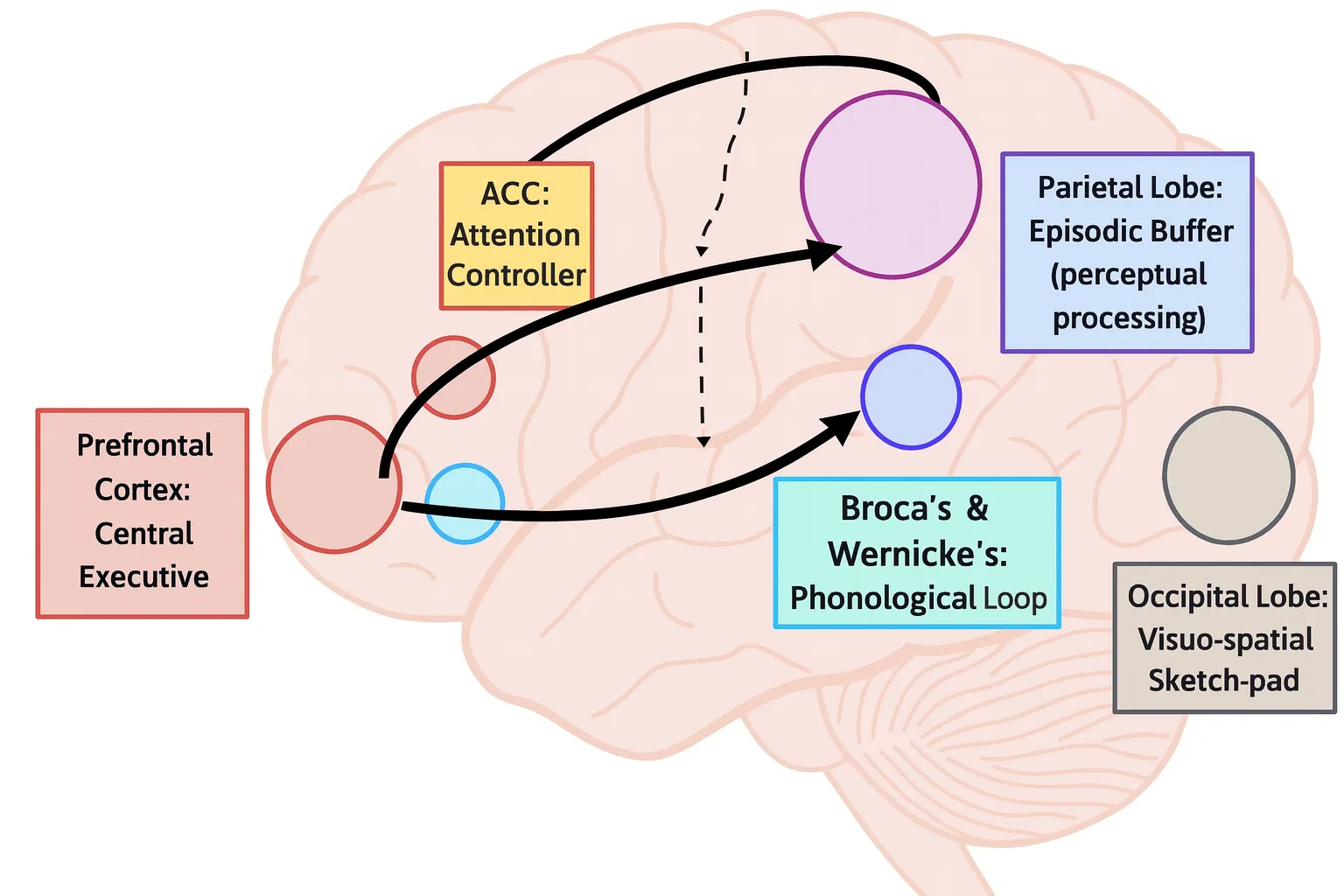
Memory is how your brain stors information for recall, later. It’s your own special filing system where it keeps information you’ve learned and experiences you’ve had. Sometimes you can recall this information easily, and sometimes you might find it hard to remember.
When memory recall is delayed, or seems to fail temporarily, people describe the experience of being in a fog — they can’t “see” information to retrieve it. Hence the term “brain fog”.
In more advanced terms, memory represents the mental capacity or faculty of retaining and reviving facts, events, impressions, etc., or of recalling and recognizing previous experiences. It plays a crucial role in learning as it is a process that modifies the way one looks at the world. Memories are formed and retrieved using a combination of various physical locations in the brain coordinated by networks of neurons.
There are several nutritional supplements known to support memory. These include Omega-3 fatty acids, Ginkgo BilobaGinkgo Biloba is a type of tree. It has been growing on earth for hundreds of millions of years. It’s a living fossil. Its leaves are used to make an extract that people consume to improve functional brain performance. Continue to full entry, Vitamin E, Vitamin B12, and Phosphatidylserine, among others
External source information references for ‘Memory’:
- Harvard Health → How Memory Works
- WebMD → Understanding Memory: the Basics
- Medical News Today → What is Memory and How Does It Work?
- Healthline → How Do Memory Supplements Work?
- Mayo Clinic → Memory loss: 7 Tips to Improve Memory