
HEALTH SCIENCE LEXICON
Creatine
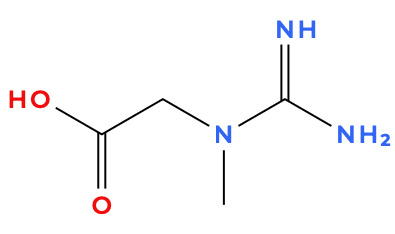
What is Creatine?
Creatine is a type of substance our bodies naturally produce, and we use it to give our muscles energy when we exercise or do hard things. It’s also found in foods like meat and fish, and many people take it as a supplement to work out harder and build muscles easier. It’s a powerful compound.
In scientific terms, Creatine is a nitrogenous organic acid that helps supply energy to cells throughout the body, particularly muscle cells. It is produced naturally in the liver, kidney, and pancreas, and approximately 95% of the body’s creatine pool is located in skeletal muscle tissue. Creatine supplementation has been extensively studied, exhibiting significant benefits for high-intensity, short-duration exercise such as weight lifting and sprinting. More recently, studies indicate cognitive function benefits at higher doses as well.
The most common supplements that improve human function with respect to Creatine are Creatine Monohydrate, Creatine Ethyl Ester, Creatine Hydrochloride, Buffered Creatine, Creatine Magnesium Chelate, Creatine Citrate, Creatine Pyruvate, and Liquid Creatine.
External source references for ‘Creatine’:
- PubMed → Effects of creatine supplementation on performance and training adaptations
- Harvard Health → The hidden dangers of protein powders
- U.S. National Library of Medicine → Creatine: MedlinePlus Supplements
- WebMD → Creatine: Uses, Side Effects, & Interactions
- Mayo Clinic → Creatine: Safety – Mayo Clinic